Category: Uncategorized
-
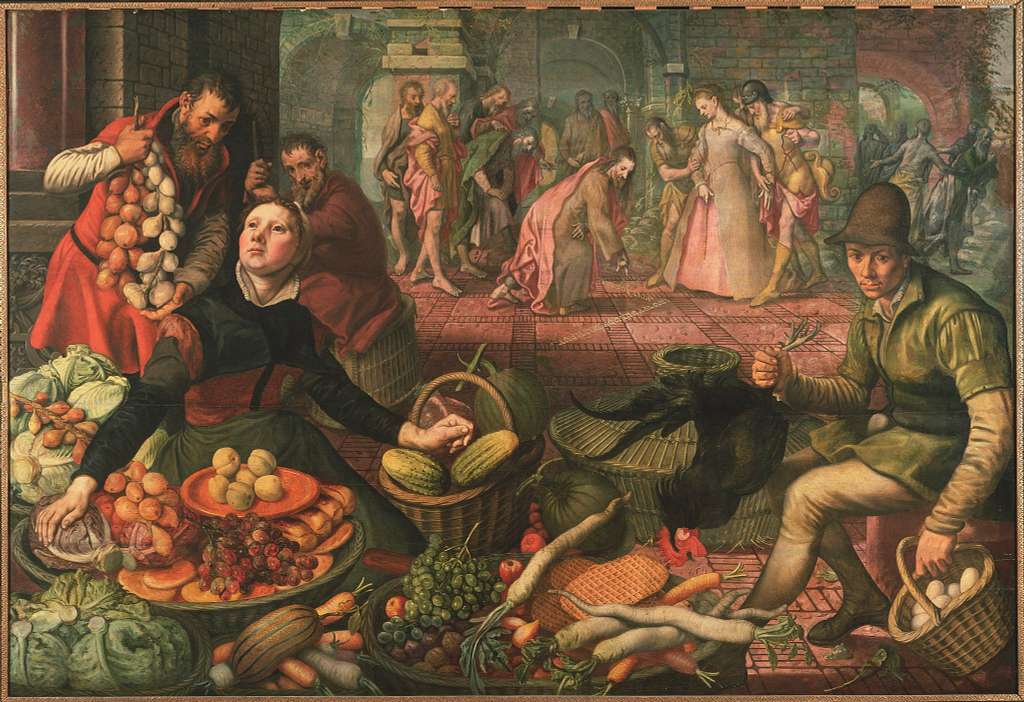
Fifth Sunday of Lent, Year C
Jesus began his mission in the waters of the Jordan River. He urged people to repent, to turn back to God, and to be baptised to show that they wanted to believe the Good News. The Holy Spirit took up residence in all who accepted his invitation. Their lives were transformed.
-

Fourth Sunday of Lent, Year C
I believe that we receive grace from the Holy Spirit to enable us to imitate Jesus and to share in his divine life. Theologians call this grace and its action “Theosis.” Baptism and the other sacraments, prayer and meditation on the scriptures all play a part in our commitment to imitating Jesus. The Gospel Enquiry,…
-

Third Sunday of Lent, Year C
The Third Sunday of Lent marks the beginning of the Scrutinies, a series of three rituals that focus those who are preparing to be received into the Church at Easter. These remaining weeks of Lent are intended to be a time of interior reflection for those who are seeking entry into the Church.
-

Second Sunday of Lent, Year C
Joseph Cardijn (1882-1967) was a Belgian priest who dedicated his life to forming young workers as apostles, “who have a continual sense of being bearers of Christ” to the working class. He taught them about three truths: the truth of faith, the truth of experience and the truth of method.
-

First Sunday of Lent, Year C
It is Ash Wednesday, the beginning of Lent and I am sitting here reflecting on the Gospel for the First Sunday of Lent. I wrote a Cardijn inspired Lenten program in 2022. It was titled If Today You Hear His Voice …. In the years that followed, I learned more about how Gospel Enquiries can…
-

“A cup of water given in my name …”
We can approach the Gospel of Mark as a literary work, which has a respected place in world literature. As such, our focus might be on the historical and cultural contexts of the Gospel, or on the literary forms used to shape the text.
-

“But you, who do you say I am?”
I recall learning about the corporal and spiritual works of mercy in RE, probably in secondary school. And as I think about the manifestations of these works in the world around me, I am taken back to a letter written by Cardinal Joseph Cardijn (1882-1967), possibly in the 1960s.
-

The power of faith without borders
If the Jews are the Chosen People, the ones with whom God made covenants, why does Mark tell us about a non-Jew, a Gentile living in Israel, whose daughter is cured by Jesus from a distance?
-
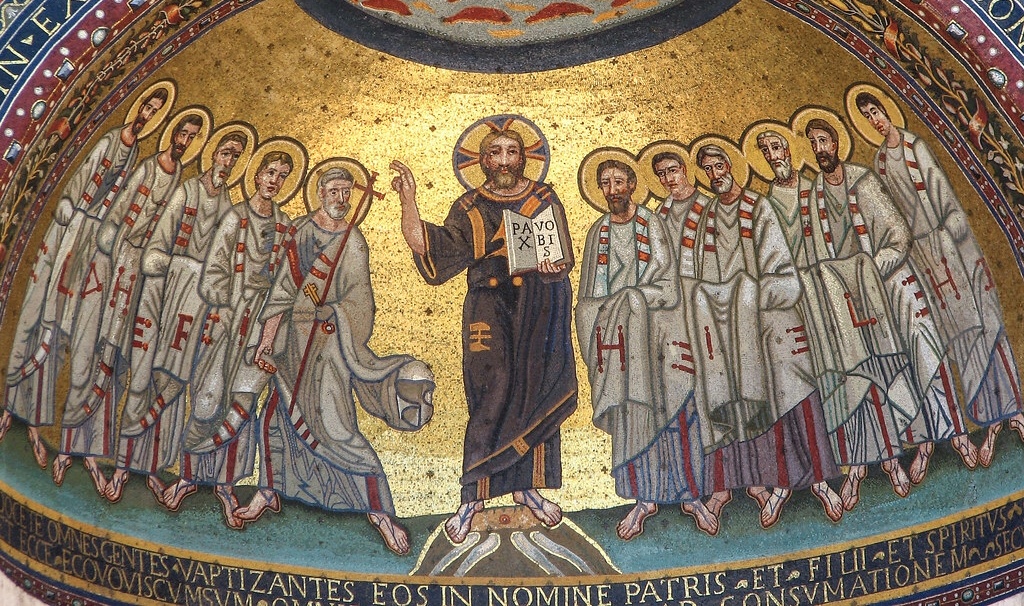
Sent to preach and heal
Recently, I was present at a parish RCIA meeting. The group was using a publication from the Sydney Catholic Enquiry Centre, titled Call and Response: An Introduction to the Catholic Faith. We read and discussed Chapter 28, “Prayer and Action.”
-

The Gospel: A gift from Jesus to us
In a homily, which he preached on 30 January, 2014, Pope Francis described three pillars of belonging in the Church: humility, faithfulness and the act of service, which is praying for the Church. Let us focus on the second pillar because it plays a critical part in the Gospel Enquiry.
-

“The still point in the turning world”
Jesuit Father Mark Link (1924-2017) wrote many books, including He is the Still Point of the turning world (1971). The book is a carefully crafted set of quotes, reflections and images about the centrality of Christ in the Christian worldview.
-

Saved by Jesus
We have to be careful with how we interpret the Gospel when we read it. There is much more to a simple description of an event in Jesus’ life than meets the eye, so to speak.
-

Being a Spirit-filled Evangeliser
Pope Francis released his first major teaching letter, referred to by its Latin title Evangelii Gaudium (The Joy of the Gospel) in 2013, the first year of his papacy. He draws on the image of Jesus found in the Gospel passage below and he reminds “the Christian faithful” that “Spirit-filled evangelisers are evangelisers who pray…
-

Are you a babe and the Church your babysitter?
Do we act with the Church as our mother? Or do we think of the Church as being like a babysitter? In one of his homilies in 2013, Pope Francis described life in “a coddled Church,” which is like “trying to get the children to fall asleep.”
-

Building on rock? or sand?
The Gospel Enquiry is a simple tool intended for the purposes of double transformation, meaning that those who engage in the practice of reflecting on the Gospel and acting on that reflection will be transformed through putting their faith into action … and so will the world around them.
-
The Message of Peace: Be the cup of cold water given in my name.
The “message of peace” to which Jesus refers in his lament over Jerusalem is much more than words or sentiment. Fr Gustavo Gutiérrez wrote in his book The Power of the Poor in History (1983) that “… peace presupposes the establishment of justice, the defense of the rights of the poor, the punishment of oppressors,…
-
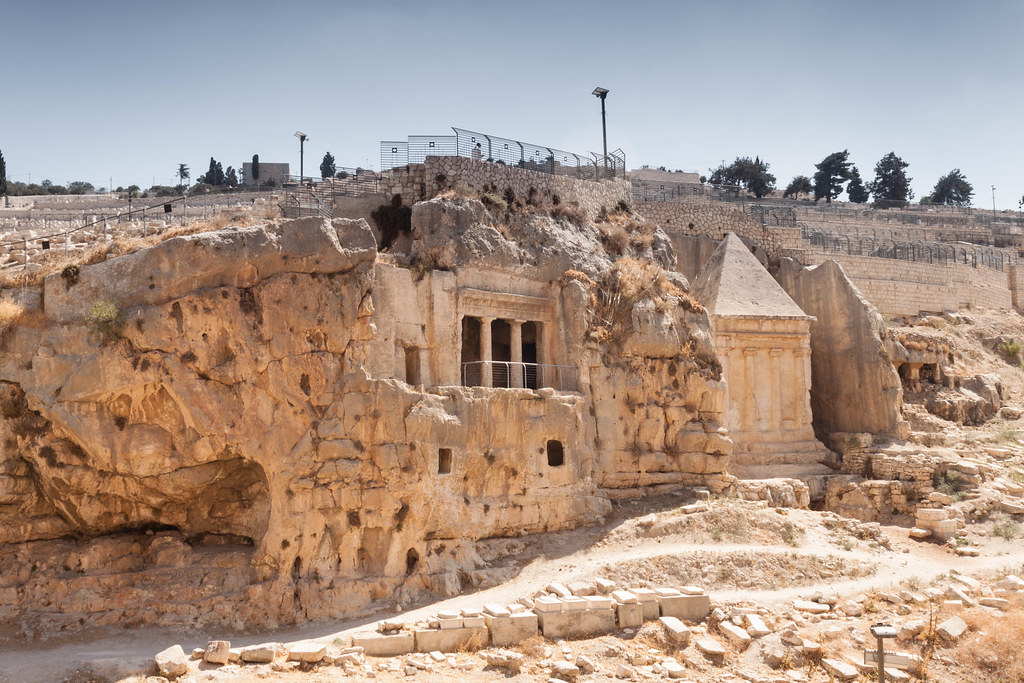
The tombs of prophets
One of the topics focused on in talkback radio recently was the Australian Government’s attempt to provide support for parents who feel powerless in the face of the destructive power of the algorithms used to control their children’s lives.
-

All you have to do is ask …
My wife and I volunteer in our parish community … and elsewhere. It is important that people serve others in need because we are created to be servants to those who need help. If we don’t, then humanity suffers. Our faith grows weak. After all, Jesus came to serve.